

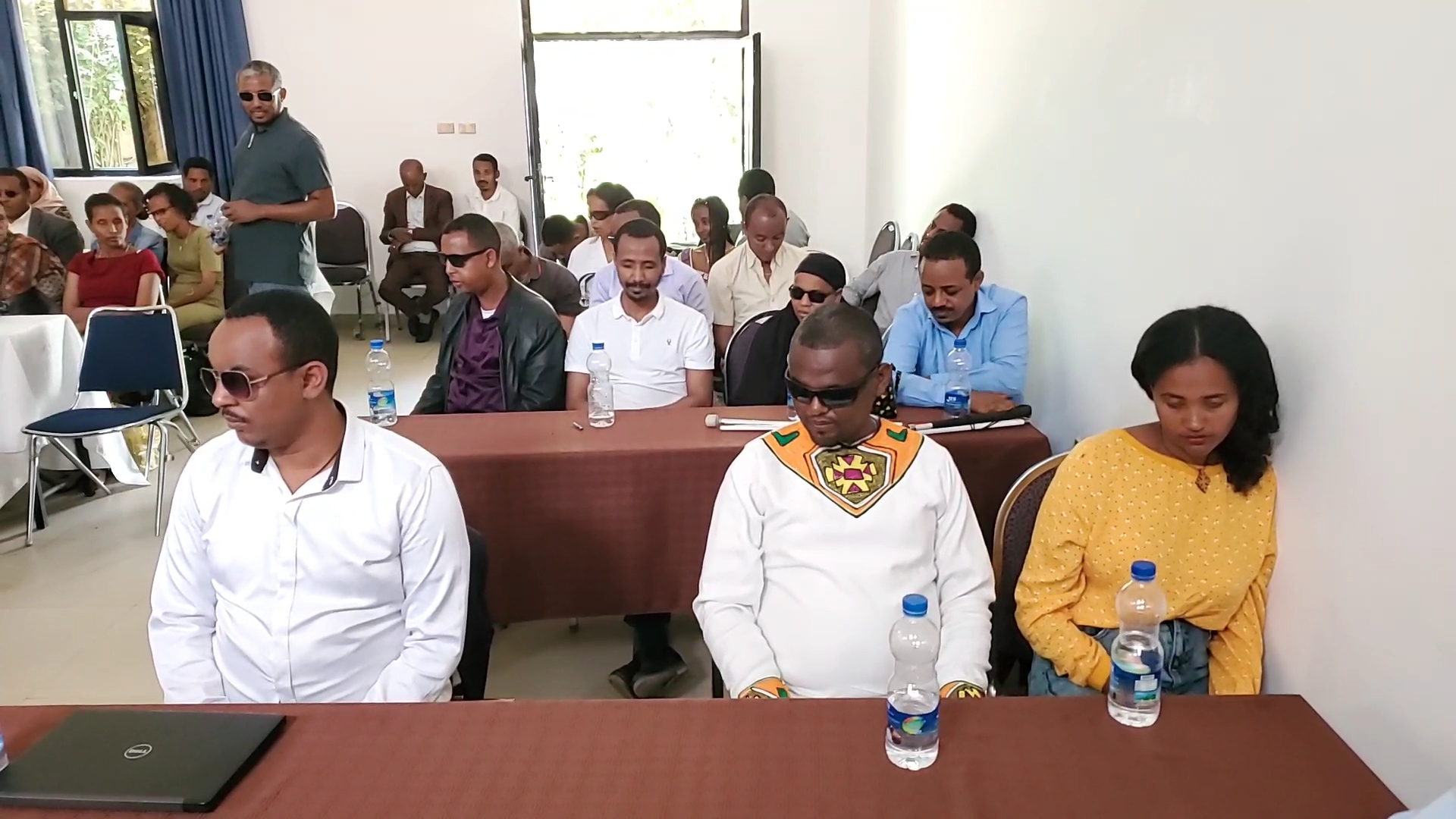
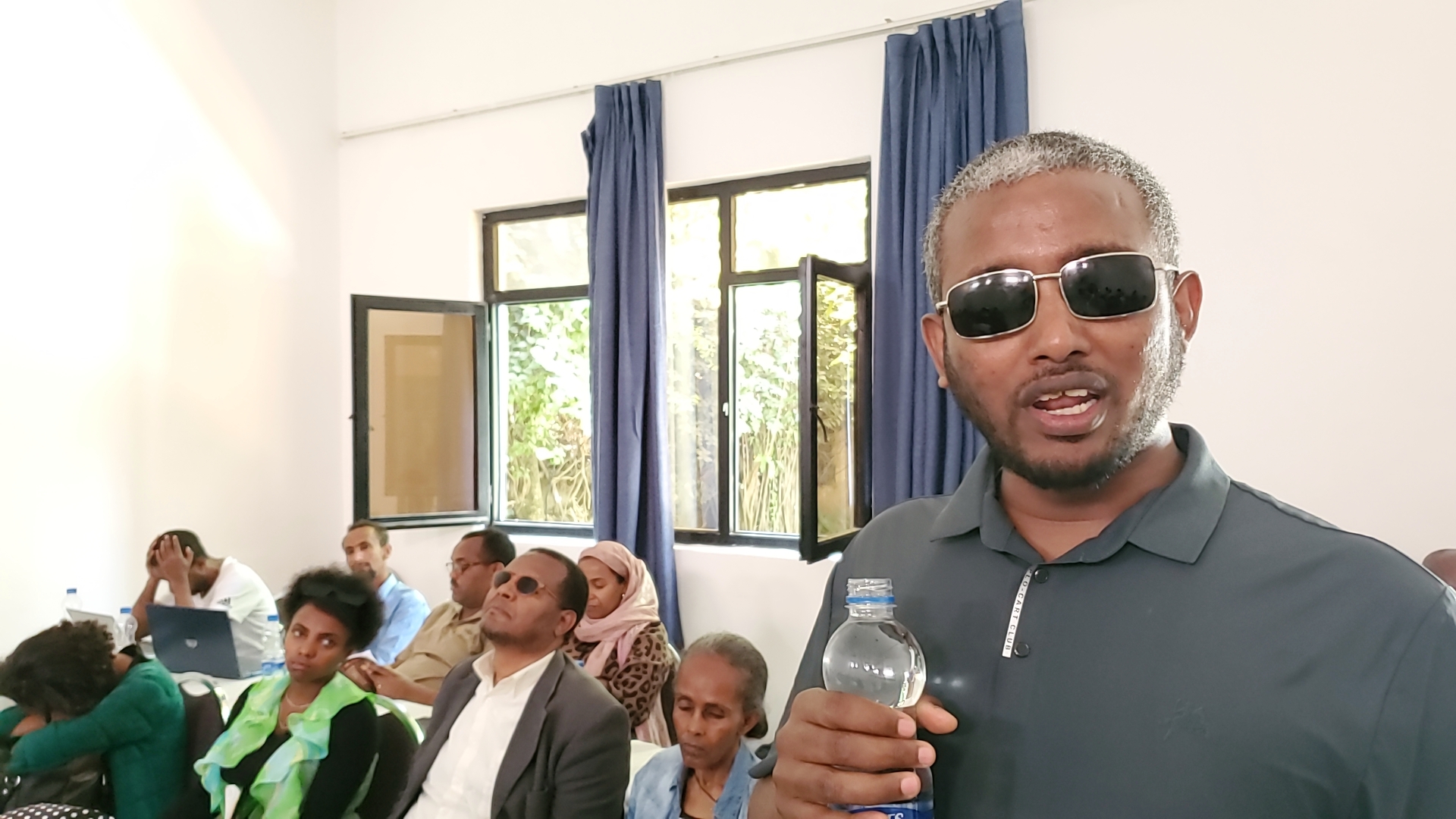
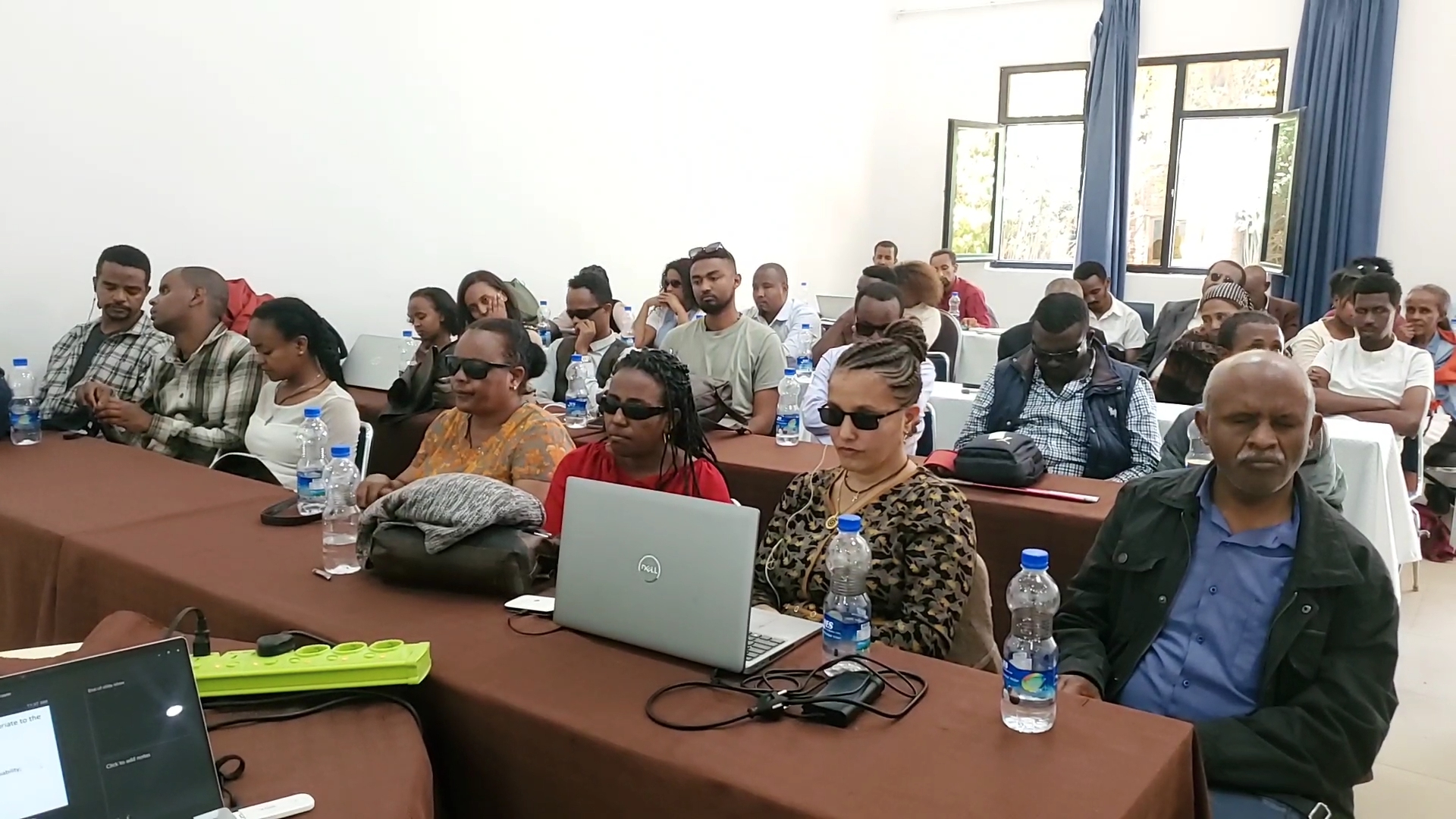
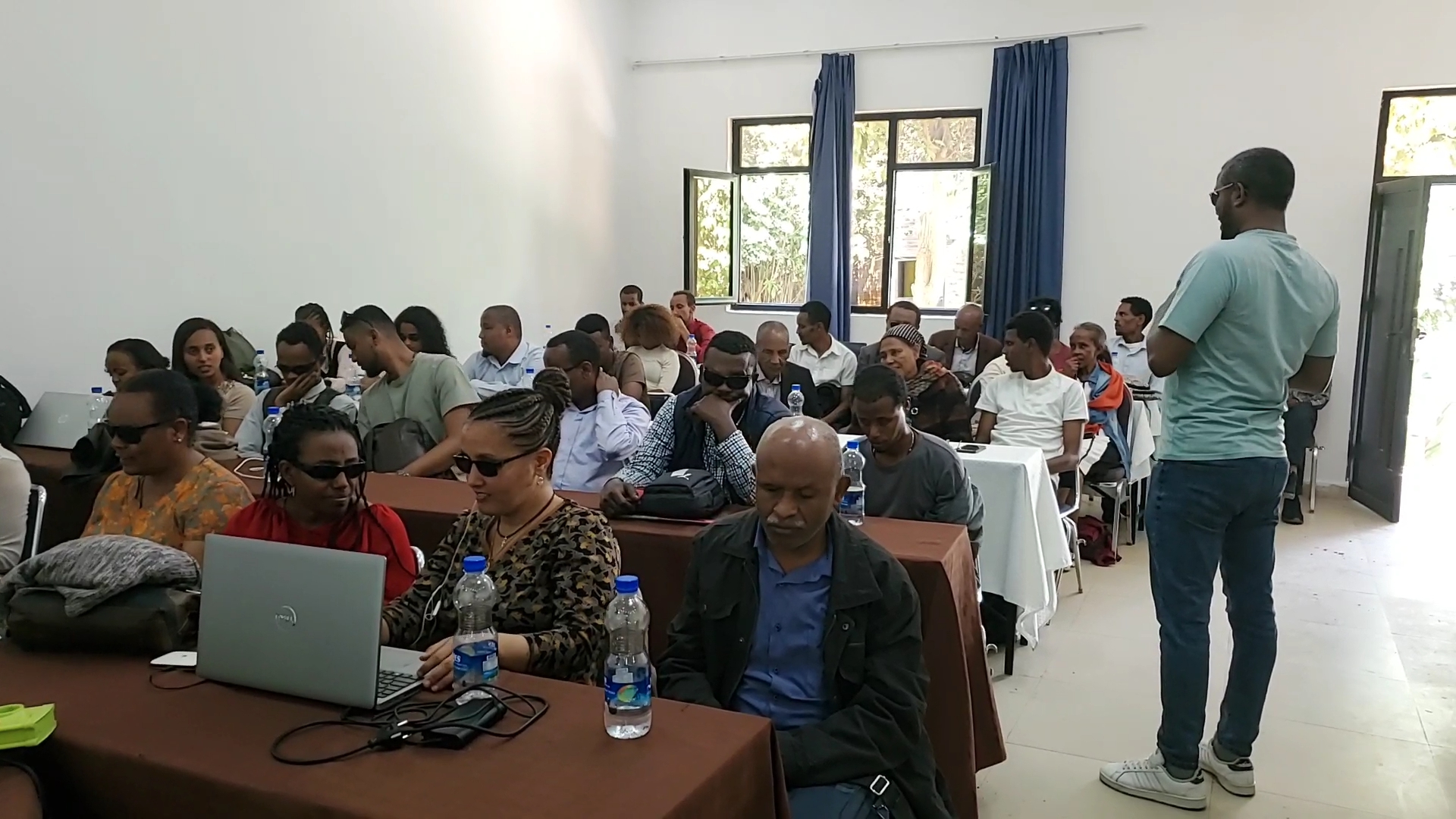
The Ethiopian National Association of the Blind organized a dynamic two-day training workshop at Adama Safari Lodge, focusing on the United Nations Convention on the Rights of Persons with Disabilities (CRPD), effective advocacy strategies, and the evolving landscape of disability rights movements at national and international levels.
The workshop brought together 45 participants, including staff from the Ethiopian National Association of the Blind (ENAB) office, representatives from the Teachers’ and Women’s Wings, dedicated volunteers from the Felegekin Literature and Music Committee, and General Assembly members from Adama, Debre Birhan, Woliso, Asela, Sebeta, and Hawassa. Additionally, 25 assistants supporting participants with visual impairments played an integral role in the training.
Objectives and Opening Ceremony
The training aimed to deepen participants’ understanding of CRPD principles—including dignity, equality, full participation, and inclusion—and to equip them with practical advocacy tools to drive systemic change.
In his opening remarks, Ato Ketema Baileyegn, AFUB acting Coordinator of the Human Rights Project, explained that the workshop was implemented under ENAB’s Human Rights Project. Though the original project concluded in 2024 (funded by The HAPT through the African Union of the Blind [AFUB]), additional support from back donors enabled continued capacity-building efforts. He expressed his gratitude to AFUB, SRF, and all participants for their commitment to advancing disability rights.
Wo/rit Kalkidan Shimelis, ENAB Board Member, officially opened the workshop, emphasizing the importance of such trainings in strengthening Ethiopia’s disability rights movement and empowering members to champion inclusion in their communities.
Interactive and Insightful Sessions
Facilitated by Dr. Yohanes Takele, a renowned legal expert and disability inclusion advocate, the sessions covered:
- The historical development of disability rights movements.
- Core CRPD principles and their implementation.
- The right to employment and inclusive workplace advocacy.
- Advocacy methodologies, including self-advocacy, peer advocacy, policy advocacy, and rights-based community strategies.
Participants praised the training’s interactive format and practical relevance, with many recommending expansion to more ENAB branches.
Closing Remarks and Forward Momentum
Ato Bedasso Endale, ENAB’s Executive Director, urged attendees to apply their learnings through local advocacy initiatives and knowledge-sharing. He reiterated ENAB’s commitment to sustained capacity-building and thanked partners (AFUB, SRF) and participants for their dedication.
Ato Fantahun Mengiste, ENAB Vice President, concluded the event by applauding the workshop’s success and calling for united efforts to advance disability rights across Ethiopia.
Leave a Reply